
Loading...
Serving Midland, TX and surrounding areas. (432) 681-7585
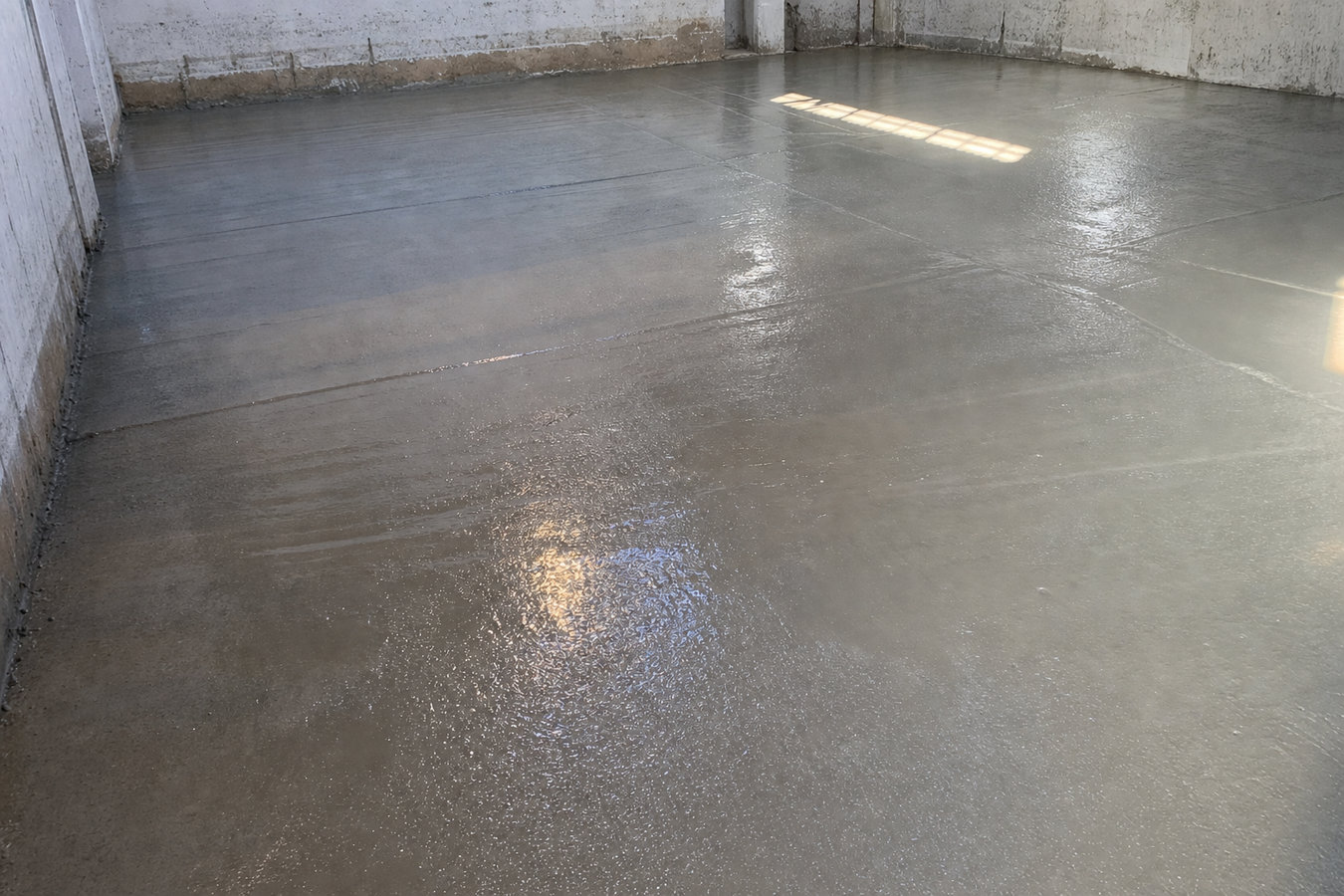
Midland sun, caliche soil, and blowing sand wear through unsealed concrete fast. We apply the right sealer with proper prep so your driveway, patio, or garage floor holds up through every season.
Concrete sealing in Midland puts a thin protective layer on your driveway, patio, or garage floor that keeps water, oil, and stains from soaking in. Most residential jobs take a few hours to apply and require keeping vehicles off the surface for 48 to 72 hours while the sealer cures.
Without sealing, concrete acts like a sponge - absorbing the moisture and UV damage that gradually break it apart from the inside. In Midland, where summer temperatures regularly top 100 degrees and the UV index is among the highest in the continental United States, unsealed concrete degrades faster than in almost any other climate in Texas. If you are also considering concrete grinding and surface preparation, sealing is the logical follow-on step once the prep work is complete.
The difference between a sealing job that lasts three years and one that peels by next spring comes down almost entirely to surface preparation. Call us and we will come out to assess your concrete, walk you through what it needs, and give you a written quote before anything is scheduled.
Do the simple water test: pour a small amount of water on your driveway or patio and watch what happens. If it soaks in and darkens the concrete within a few seconds, your sealer has worn off. In Midland's heat, unprotected concrete absorbs moisture and then bakes it in, which accelerates surface breakdown. This test takes 30 seconds and tells you everything you need to know.
If you notice a white, powdery residue forming on your concrete, moisture is moving through the slab and depositing minerals on the surface. Given Midland's alkaline soil and groundwater, this is a common issue. It means your concrete is absorbing more moisture than it should, and proper sealing - after cleaning - can help slow the process significantly.
Concrete that has lost its sealer often looks washed out or chalky even right after you have hosed it down. Midland's intense sun bleaches unsealed concrete faster than in most climates. If your driveway or patio looks noticeably duller than it did a few years ago, that is a good sign the protective layer has broken down and needs to be reapplied.
Hairline cracks and small chips on the surface are early warning signs that moisture and heat are doing damage. In Midland, the combination of clay soil movement and summer heat stress makes this more common than in other regions. Catching it at this stage and sealing - after filling any cracks - is far less expensive than waiting until the damage becomes structural.
We seal driveways, patios, garage floors, pool decks, and exterior slabs across Midland and the surrounding Permian Basin. Every job starts with thorough surface preparation - pressure washing, efflorescence removal, and crack filling - because rushing that step is how sealers fail early. We use UV-resistant products suited for West Texas conditions, which matters in a climate where a standard product rated for milder regions will cloud, yellow, or break down within a year.
For homeowners tackling a full floor renovation, we pair sealing with concrete grinding and surface preparation to ensure the slab is properly opened before the sealer goes down. We also work alongside our concrete resurfacing and overlays service for surfaces that need more than a sealer can provide. Our crew will tell you honestly which product and approach your specific surface needs - not the most expensive option.
Suited for driveways and exterior slabs where you want maximum protection without changing the look of the concrete - the sealer soaks in rather than forming a surface film.
Suited for patios and decorative surfaces where a visible sheen or wet-look finish is desired, along with strong stain and moisture resistance.
Suited for driveways and south- or west-facing patios in Midland that receive full afternoon sun and need a product that resists UV degradation.
Suited for concrete with visible white mineral deposits that need to be fully cleaned before a sealer will bond properly.
Midland's climate stacks up a combination of stressors that unsealed concrete cannot handle for long. The intense UV exposure - among the highest in the continental United States - degrades surface material faster than in most other Texas cities. Summer temperatures push concrete surfaces to well above the air temperature, accelerating the expansion and contraction cycle that causes cracking. And Midland's alkaline caliche soil and groundwater contribute to efflorescence on concrete surfaces at a rate that homeowners who moved here from elsewhere often find surprising. The practical result is that sealers here need to be applied every two to three years rather than the four to five years you might read about in general guides. Homeowners in Odessa deal with the same conditions.
Midland also experiences occasional hard freezes - sometimes dropping below 20 degrees during Arctic fronts - that can crack concrete that has absorbed moisture before the temperature drops. Fall is a smart time to schedule sealing, before those cold snaps arrive. Dust storms in late winter and early spring, common throughout the Andrews area and across West Texas, also wear down sealed surfaces faster than normal traffic alone. Choosing the right product and scheduling the work at the right time of year makes a real difference in how long the protection lasts. The American Concrete Institute provides guidance on sealer selection and application standards that qualified contractors follow. The Portland Cement Association also covers concrete protection best practices that apply directly to West Texas conditions.
We will ask about the surface type, approximate size, and whether you have noticed any cracking or staining. Most reputable contractors come out to see the surface before quoting - be cautious of anyone who gives a flat price without looking first.
We check the concrete for cracks, oil stains, efflorescence, and existing sealer. This determines how much prep work is required - and therefore what the job will cost. You get a clear written quote before anything is scheduled.
We pressure wash the surface, treat any mineral deposits, and fill cracks before any sealer goes down. This prep phase often takes longer than the actual sealing - but it is what makes the difference between a sealer that lasts years and one that peels by next season.
The sealer goes on once the surface is fully clean and dry. Plan on keeping foot traffic off for at least 24 hours and vehicles off for 48 to 72 hours. We will tell you exactly when the surface is ready and when to schedule the next reapplication based on Midland's conditions.
Free on-site estimate. No obligation. We will tell you exactly what your surface needs and give you a written quote before we schedule anything.
(432) 681-7585A standard sealer that works fine in a milder climate will cloud, yellow, or break down much faster in Midland's sun. We specify UV-resistant formulations suited for high UV index environments - because the product choice matters as much as the application.
The biggest reason sealers fail early is insufficient surface preparation - applying over dirty, damp, or efflorescence-covered concrete. We spend as much time on cleaning and prep as on the application itself, because that is what makes the sealer hold.
You get a clear breakdown of what we found, what the prep involves, and what product we recommend - before any work starts. No surprises when the bill arrives, and no work you did not agree to in writing.
From established neighborhoods near downtown to newer subdivisions on the north and west sides, we work across all of Midland. Homeowners throughout the Permian Basin region trust us because we understand the local soil, climate, and construction conditions that affect how concrete behaves here.
These are not generic talking points - they reflect what actually separates a sealing job that holds up through Midland summers from one that starts peeling before winter. We stand behind the work because we know what conditions it has to survive.
When sealing is not enough - we resurface damaged or heavily worn concrete with overlays that restore a like-new appearance.
Learn MoreThe essential first step before sealing - grinding opens the concrete surface so the sealer bonds properly and lasts longer.
Learn MoreEvery season you wait, your unsealed concrete absorbs more UV damage and caliche moisture. Call today for a free on-site estimate and schedule before our spring slots fill.